 Articles
Electrolyte Needs on a Plant-Based Diet
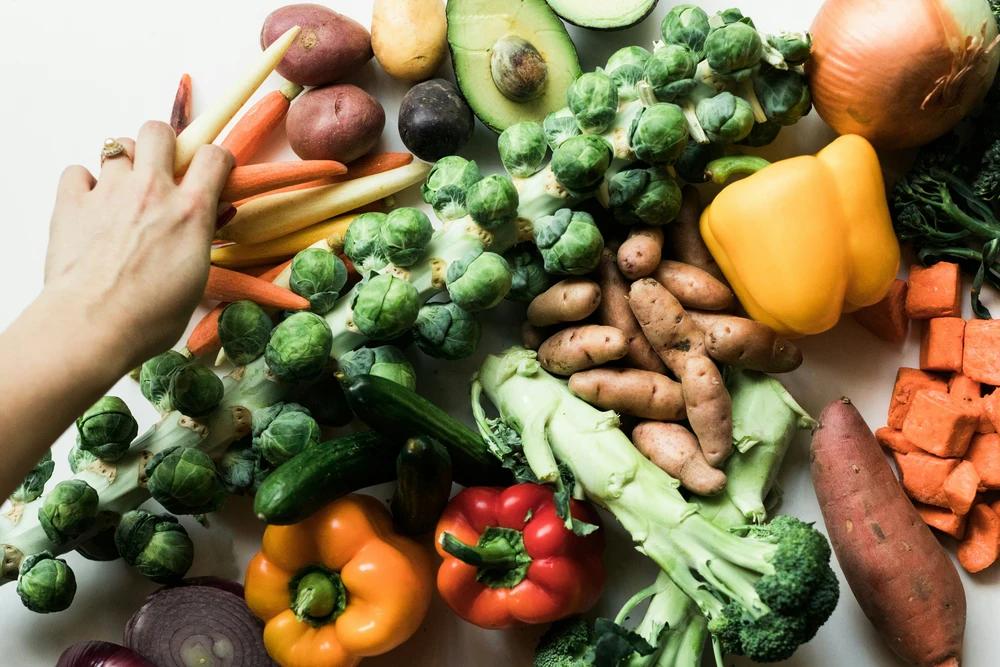
Electrolytes are minerals that carry an electric charge when dissolved in water. They regulate fluid balance, nerve signals, muscle contractions, and blood pressure. For athletes, laborers, or anyone who sweats a lot, replacing lost electrolytes—especially sodium, potassium, magnesium, and calcium—is essential for staying hydrated and performing well.
If you're on a plant-based diet, you're likely already tuned into nutrition. But when it comes to electrolytes, even a healthy vegan or vegetarian meal plan can miss the mark. In fact, some of the most common plant-based eating patterns may fall short in key areas—or even overcorrect in others.
Let’s break down where the gaps tend to occur, and how to fix them.
Sodium: Often Too Low on a Whole-Food Plant-Based Diet
Sodium is usually one of the easiest electrolytes to get in a standard Western diet. But the opposite is often true for plant-based eaters. If you mostly cook at home and eat minimally processed foods, your sodium intake may be much lower than average.
That’s not always a good thing.
Athletes lose between 500–1,100 mg of sodium per liter of sweat, and some heavy sweaters can lose over 2,000 mg/hour in hot conditions[1]. Low sodium levels increase the risk of cramps, fatigue, dizziness, and even hyponatremia—a dangerous dilution of blood sodium.
Fix it: Don’t fear the salt shaker. Use iodized salt or pink salt generously if you're sweating often or eating mostly whole foods. Homemade broths, salted nut butters, and fermented vegetables like kimchi or sauerkraut can also help.
Calcium: Often Inadequate Without Fortified Foods
Calcium plays a key role in muscle contractions, nerve signaling, and bone health. But plant-based sources can be less bioavailable due to compounds like oxalates and phytates, which inhibit absorption.
One study found that vegans typically consume 30–40% less calcium than omnivores, and are at a higher risk for bone fractures without fortified foods or supplements[2].
Fix it: Prioritize low-oxalate calcium sources like tofu made with calcium sulfate, calcium-fortified plant milks, tahini, bok choy, or turnip greens. If your intake is still low, a calcium supplement can be a smart insurance policy.
Potassium: Usually High, But Not Always in Active People
Fruits, vegetables, legumes, and whole grains are all loaded with potassium—which is good, because it’s crucial for muscle function, heart rhythm, and nerve impulses. Many plant-based diets easily hit the 4,700 mg/day recommended intake[3], but there are two caveats:
- If you restrict carbs (e.g. low-carb vegan athletes), your potassium intake might dip.
- If you're sweating heavily or working out in the heat, your potassium losses rise sharply.
Fix it: Don’t skimp on fruits like bananas, oranges, or avocados. Sweet potatoes, beans, and lentils are also great sources. For intense training, consider a potassium chloride-based electrolyte powder.
Magnesium: Commonly Underconsumed
Even omnivores often fall short on magnesium, and vegans are no exception. It supports over 300 enzyme systems involved in energy metabolism, nerve function, and muscle relaxation. Athletes may need more than the general RDA of 310–420 mg/day[4].
Although foods like spinach, nuts, and seeds are magnesium-rich, the amounts can still fall short if your diet is low in variety or your absorption is impaired by stress, caffeine, or digestive issues.
Fix it: Include daily servings of pumpkin seeds, almonds, cashews, and dark leafy greens. If you’re prone to muscle cramps or fatigue, a magnesium glycinate or malate supplement may be helpful.
Chloride: Usually Covered by Salt Intake
Chloride partners with sodium to help maintain fluid balance and stomach acid levels. It’s rarely deficient unless sodium is too low. On a salt-restricted plant-based diet, chloride may also drop below optimal levels.
Fix it: As with sodium, moderate use of table salt or sea salt usually covers your chloride needs. If you’re making your own electrolyte drink, sodium chloride (plain salt) is the primary ingredient.
Summary: Mind the Gaps, Sweat the Details
A well-planned vegan or vegetarian diet can support electrolyte balance. But if you’re training hard, sweating heavily, or avoiding processed food, you’ll need to be more intentional.
Whole foods get you most of the way there—but smart supplementation, including DIY electrolyte blends, can fill in the final gaps.
